
OUR BLOG
Latest Updates & News
At vero eos et accusamus iusto odio dignissimos ducimus qui blanditiis praesentium voluptatum deleniti atque corrupti quos at dolores molestias excepturi sint occaecati cupiditate.

The Connection Between Physical Health and Mental Health
Also, check out this video: “Anger Management: How to Control Anger – 2019 – (Actionable!)”
https://www.youtube.com/watch?v=rUxbiqfNu8w
–~–
http://www.TransformingStigma.com In this video, mental health speaker, Mike Veny, shares the story of how he met his personal trainer and nutritionist, Maik Wiedenbach. Maik has worked with him to develop a healthier lifestyle. Mike now has an exercise program and nutrition program that are both customized to the needs of his mental illness.
As a person living with mental illness, Mike Veny knows about the connection between mental health and physical health. In order to keep himself stable, Mike has routines, systems, checklists, and appointments that have forced him to maintain a healthy lifestyle.
To help with his depression, Mike takes coconut oil and fish oil in the morning. In addition, he makes it a point to exercise and get sunlight for at least a half an hour each day. As a mental health speaker, Mike is constantly on the road speaking at conferences and events around the world. Therefore, it’s imperative that he takes care of himself.
Mike Veny truly believes that connection between mental health and physical health is clear. However, focusing on your physical health alone isn’t part of a complete recovery. It’s important to constantly seek out professional help, too.
The World Health Organization (WHO) defines health as “a state of complete physical, mental and social well-being and not merely the absence of disease or infirmity.” The WHO states that “there is no health without mental health.”
The Canadian Mental Health Association’s Ontario branch is leading in this area with two programs that target the connection between mental health and physical health.
Minding Our Bodies – a program aimed at promoting consistent exercise, sound nutrition, and health lifestyle decisions.
Diabetes and Mental Health Peer Support – program that supports people who have Diabetes and serious mental illness.
* Follow Mike Veny on Twitter – @MikeVeny
* Find Mike Veny on Facebook – http://www.Facebook.Com/MikeVeny

Summer’s Here: Simple Ways to Stay (or Get) Active
In anticipation of the unofficial (though most welcome!) start to summer, we recognize the #MoveInMay effort that you...
Businesses Use Wellness for Growing List of Reasons: Survey
To be sure, businesses continue to employ traditional workplace wellness initiatives, such as health risk assessments,...
What Does a Mental Illness Feel Like? (Depression & Anxiety) – 2020 (True Story)
Also, check out this video: “Anger Management: How to Control Anger – 2019 – (Actionable!)”
https://www.youtube.com/watch?v=rUxbiqfNu8w
–~–
http://www.TransformingStigma.com/nervous-breakdown.html In this video, mental illness speaker and stigma expert, Mike Veny, describes what it’s like to live life with mental illness during his Transforming Stigma™ presentation.
As quoted by Veny:
“Picture a stove! A really BIG restaurant stove. There are 4 burners, each set to high heat. 3 of the burners have a frying pan on them and one has a stock pot on it. Each frying pan contains boiling lard. IT’S HOT!
* In frying pan #1, my obsessive-compulsive disorder is cooking. You said something to me a few years ago, and it’s still on my mind. I can’t stop thinking about it. It’s triggering frying pan #2.
* In frying pan #2, my anxiety is cooking. I can feel it in my chest right now. It’s getting worse and triggering frying pan #3.
* In frying pan #3, my anger is cooking. NOW I’M ANGRY!
I then take each frying pan, one by one, and pour it into the stock pot. I close the lid on the stock pot as the combination of my obsessive-compulsive disorder, anxiety, and anger cook on high heat. Watch it! This pot is about to boil over.
As I look around my kitchen, the walls are covered in mirrors. There are mirrors everywhere, of all different sizes and shapes. Some are tilted and some are curved – kind of like mirrors in the fun house at a local amusement park. Wherever I choose to look, everything is about me and it’s distorted.
WAIT! The stock pot is about to boil over, but I can’t protect myself from it…because this kitchen is locked.
It’s locked permanently.
I can’t ever get out.
Even as I speak to you right now, I’m stuck in this kitchen. It sucks. It’s annoying. It’s inconvenient. It’s painful.
It is what it is and I guess I just have to accept it.”
* Follow Mike Veny on Twitter – @MikeVeny
* Find Mike Veny on Facebook – http://www.Facebook.Com/MikeVeny
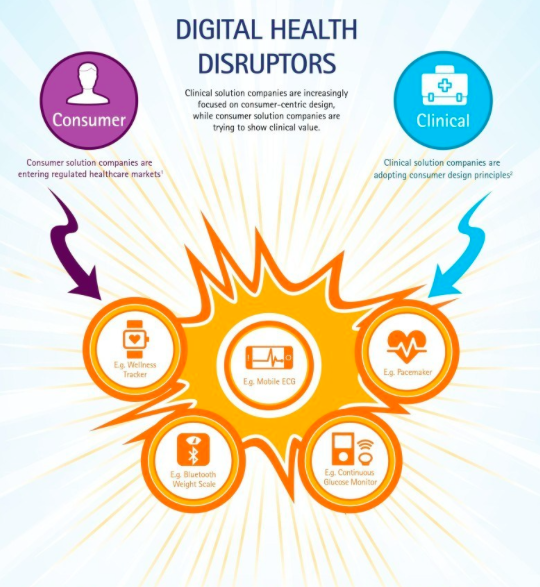
‘Digital Disruption’ Affects Many Areas of Health Care
We know the intense role that technology is playing in health care -- from providers to patients. New research from...
Mental Health Conversation Starters & Questions
Also, check out this video: “Anger Management: How to Control Anger – 2019 – (Actionable!)”
https://www.youtube.com/watch?v=rUxbiqfNu8w
–~–
http://www.TransformingStigma.Com In this video, Mike Veny talks about the importance of keeping the subject of mental health in everyday conversation and your community. This is the key to transforming the silence that accompanies mental health stigma.
There’s no right or wrong way to have conversations about mental health. Mike Veny tried an experiment for an entire year. He decided to go around and introduce himself to every single person he met and let them know that he was mentally ill. To his surprise, no one got scared and ran away from him. He actually developed deeper relationships, got hired for more work, and more women showed interest in him than ever before.
Here are some tips for developing your own conversation starters and questions.
1. Recognize that this is an uncomfortable conversation and you don’t have to be an expert to talk about it. If it were an easy conversation, you wouldn’t be watching this video or reading these words. The only way that we, as a society, will develop this into an easy conversation, is to simply have it.
2. Learn healthy, appropriate, respectful, and “people first” vocabulary. This simply means that when you talk about it, put the person before the mental health challenge in your language. For example, avoid saying “the mentally ill”. Instead say, “people who live with a mental illness.”
3. Take the lead by asking others how you can support them and LISTEN! When someone you know is struggling with a mental health challenge, it’s CONFUSING! People who struggle aren’t always looking for answers or to vent. Most of the time they are looking for empathy. Even if you can’t comprehend what someone is struggling with, do your absolute best to see it from their perspective and validate that.
Learn more at http://www.TransformingStigma.Com.
Mental Health Stigma & Mental Illness Stigma 2020 (True Story)
Also, check out this video: “Anger Management: How to Control Anger – 2019 – (Actionable!)”
https://www.youtube.com/watch?v=rUxbiqfNu8w
–~–
http://www.TransformingStigma.Com/effects-of-stigma-on-mental-illness.html In this video, Mike Veny, is speaking about the stigma surrounding mental health and mental illness to raise awareness for professionals at a conference. Mike Veny is a mental health speaker and the founder of http://www.TransformingStigma.Com.
Examples of stigma include thinking that mental illness is correlated with violence. Statistics show that people with mental illness are more likely to have a violent crime committed against them than committing a violent crime. In addition, people who live with mental illness experience employment discrimination.
Search online to learn more about the survey results of mental health provider-based stigma and understanding the experience of clients and families. We need to have more discussion regarding this issue. It’s time to change our cultural paradigm and campaign to transform stigma.
Australia and Canada are setting the example for transforming stigma. In Canada, the company Bell is doing a incredible job of increasing awareness through it’s “Let’s Talk” campaign. Bell is setting a good example for how business can help transform stigma.
Mental health stigma is in the military (and is experienced by veterans), in the media, at work, in healthcare and just about everywhere in America. Believe it or not, it exists in social work, too. In fact, it affects everyone including mental professionals.
In the United States of America, stigma is a huge problem in the black community. African Americans are experiencing difficulties in having conversations about mental health with each other. Despite these challenges, there is hope. NAMI (National Alliance on Mental Illness) is working hard to address the stigma surrounding minority mental health as a whole.
This issue spans across cutures, too – mental health stigma is in the Muslim community, Hong Kong, Jamaica, Kenya, New Zealand, Northern Ireland, Scotland, Wales, and China.
Check out this video a unique definition and some good quotes about stigma. Also, be sure to check out the Transforming Stigma blog.
http://www.TransformingStigma.Com/blog
https://docs.google.com/document/d/1V3IEdbK7Sua6AbscnWOYdbDxKtet0ByqoKdnLcA1QNQ/edit?usp=sharing
https://docs.google.com/document/d/1kBf8BiegVd4MLw50-HTrFMisQpNIJWuVKg-xk_Sccuk/edit?usp=sharing
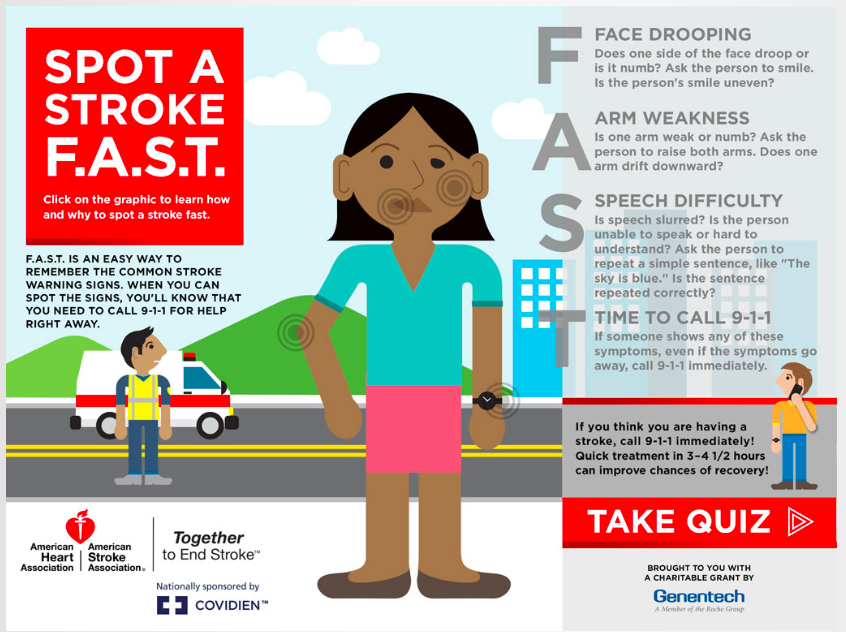
American Stroke Month: Do You Know How to Spot a Stroke?
May is American Stroke Month, and the American Heart Association and American Stroke Association provide an...

Singing for Wellness? Whatever it Takes!
With its beautiful setting, proud history, summer fishing contest and more, Fond du Lac County in Wisconsin is...
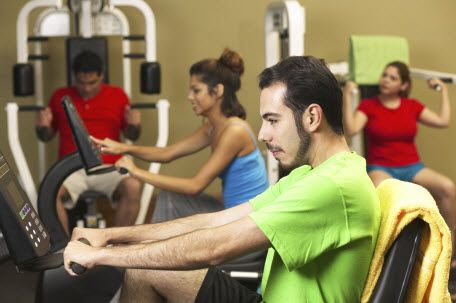
Case Studies: Best Practices to Build ‘Top-Quality Workplace Health Promotion Program’
The Institute for Health and Productivity Studies at the Johns Hopkins Bloomberg School of Public Health has been...

How to Increase Participation in Workplace Wellness Programs
"More and more companies are implementing wellness programs to foster healthier workforces, from smoking-cessation...

5 Ways Proposed Wellness Regulations Could Change Your Workplace
Proposed Equal Employment Opportunity Commission (EEOC) regulations, if finalized in their current form, would change...
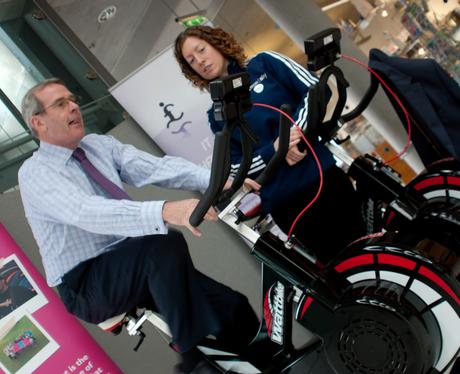
Workplace Wellness Plays Big Role as Employers Consider Self-Funded Health Plans
Employers necessarily keep a close eye on their health insurance costs. And with companies desiring more control over...
The Healthiest Companies in America
Thousands of employees’ lives were transformed – and some saved – by companies honored as winners of Interactive...
Get Fit, Don’t Sit: Infographic
Today is National "Get Fit, Don't Sit" Day, organized by the American Diabetes Association. Companies nationwide are...
Get Ready: Tomorrow is ‘Get Fit, Don’t Sit’ Day
We've reported several times on the dangers of sitting -- how sitting is the new smoking (for example, here, here and...

Registered Dietitians Can Be Key to Workplace Wellness, Disease Prevention
We've written before on the importance of registered dietitians in workplace wellness. Now comes a piece from...

How Business Can Create ‘Heart-Healthy’ Environment for Employees: Interview
As part of its "Heart Health" program, the CDC Foundation ran a very useful Business Pulse interview with Dr. Barbara...

Focus on ‘Heart Health’ Key for Businesses, Employers: CDC Foundation
We know that heart disease and stroke are among the most widespread and costly health problems facing America’s...

How Healthcare Tech Saves Lives: Infographic
Even before the Apple Watch came out, we've heard a lot about how technology improves healthcare -- even how it saves...